Source: American Journal of Managed Care
Key Takeaways
- The Supreme Court upheld ACA requirements for insurance coverage of USPSTF-recommended preventive services, reversing a lower court’s decision.
- The case questioned the USPSTF’s authority under the Appointment Clause, with arguments about HHS Secretary’s supervisory power.
- The decision prevents increased patient cost-sharing and financial burdens from untreated conditions due to lack of preventive care coverage.
The decision by the Supreme Court has major implications on which preventive services are required to be covered by insurance companies under the Affordable Care Act.
The Kennedy, Sec. of H&HS v Braidwood Management, Inc., case reached a final conclusion with the Supreme Court decision that was released on June 27, affirming that the US Preventive Services Task Force (USPTSF) were inferior officers and their appointment was Constitutional under the Appointments Clause, effectively siding with Kennedy and upholding preventive care.1 The case, which has been litigated for multiple years, decided whether insurance companies would be required under the Affordable Care Act (ACA) to cover any preventive services recommended by the USPSTF after 2010, affecting several means of testing for different viral conditions and cancers.
The Braidwood case, originally heard under Braidwood Management, Inc., v Becerra, was brought in front of the Supreme Court for oral hearings in April,2 a little more than 2 years after the case first made headlines in March of 2023, when Judge Reed O’Connor ruled in favor of Braidwood. Judge O’Connor ruled that the USPSTF had no constitutional authority to require that all private insurers cover preventive services, such as pre-exposure prophylaxis (PrEP) and some forms of colorectal cancer screening.
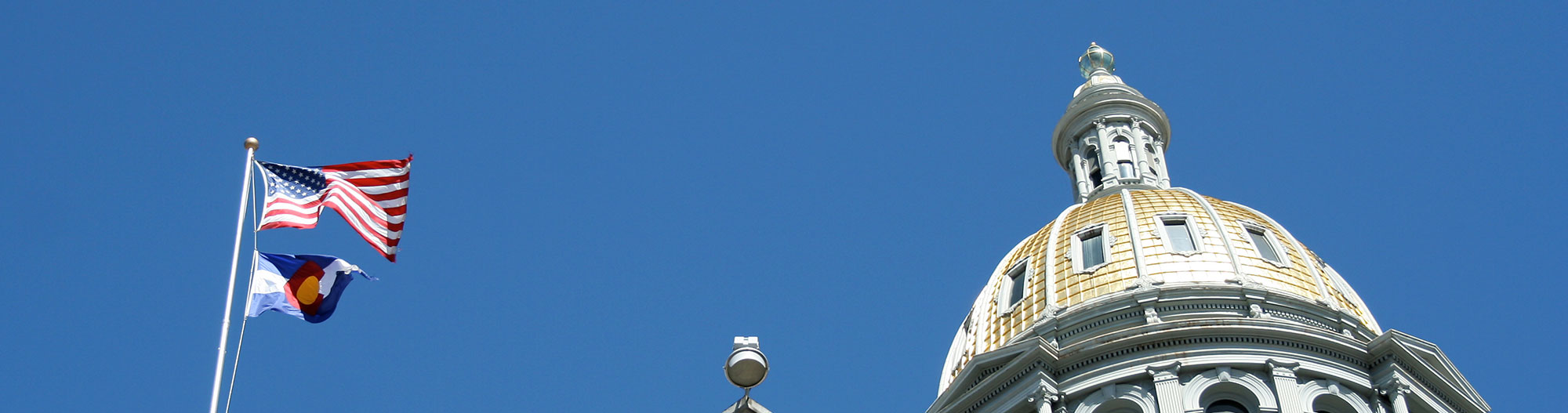
The decision by the Supreme Court has major implications on which preventive services are required to be covered by insurance companies under the Affordable Care Act. | Image credit: BillionPhotos.com – stock.adobe.com
The Supreme Court justices questioned both sides during the hearing, as Braidwood Management Inc argued that the USPSTF violated the Appointment Clause, which requires all officers of the US who make decisions for the public to be confirmed by the Senate after being appointed by the president. Lawyers for HHS argued that secretary of HHS, Robert F. Kennedy Jr, had supervising power over the USPSTF, which gives him the ability to appoint and fire those on the task force at will and approve the final recommendations.
In an interview prior to the decision, Constance Blunt, MD, pointed out that this decision would require patients to make decisions about what treatment is most important for them to receive if they had to pay out of pocket for preventive services, as would be the case if the Supreme Court ruled in favor of Braidwood.3
“It seems like a small thing, but it has ripples across the entire health care spectrum. And the other thing to think about is it’s not just the screenings that are covered. If patients don’t get screened, and they do have a problem—and we find it later—that’s another increase in financial burden, in the number of appointments, in the number of treatments…. Early detection is so important, not just because it saves lives, but it also has a big financial impact,” she said.
In a Q&A conducted in April alongside the oral hearings,4 Richard Hughes IV, JD, MPH, a health care attorney at Epstein Becker Green, noted that new coverage requirements for preventive services graded A or B after March of 2010 would be the only services that were required to be covered by insurance, saying that PrEP would be at risk especially.
“I think that what you’re going to see, almost more important than whether the payers cover it—because I do think a lot of coverage will continue—what you’re really going to see that’s concerning is the imposition of cost sharing,” he said. “What we know is that when a payer imposes cost sharing, patients are more likely to walk away from that service.”
The Supreme Court decision prevents these concerns as the justices made their decision to side with Kennedy. This decision ultimately protects insurance coverage of preventive services, which in turn protects those who require preventive services, especially if they cannot afford the treatment without that coverage.
References
1. Kennedy, Secretary of Health and Human Services v. Braidwood Management, et al. Supreme Court of the United States. June 27, 2025. Accessed June 27, 2025.
2. Bonavitacola J. Supreme Court hears oral arguments in Braidwood case. AJMC®. April 22, 2025. Accessed June 18, 2025. https://www.ajmc.com/view/supreme-court-hears-oral-arguments-in-braidwood-case
3. Steinzor P, Caffrey M, Blunt C. Potential Impact of Loss of Coverage for Health Care Screenings: Constance Blunt, MD. AJMC. June 10, 2025. Accessed June 25, 2025. https://www.ajmc.com/view/potential-impact-of-loss-of-coverage-for-health-care-screenings-constance-blunt-md
4. Bonavitacola J, Hughes R IV. What’s at stake as oral arguments are presented in the Braidwood case? Q&A with Richard Hughes IV. AJMC. April 21, 2025. Accessed June 18, 2025. https://www.ajmc.com/view/what-s-at-stake-as-oral-arguments-are-presented-in-the-braidwood-case-q-a-with-richard-hughes-iv